 dental implant cost South Africa servicesdental implant cost South Africa services overview
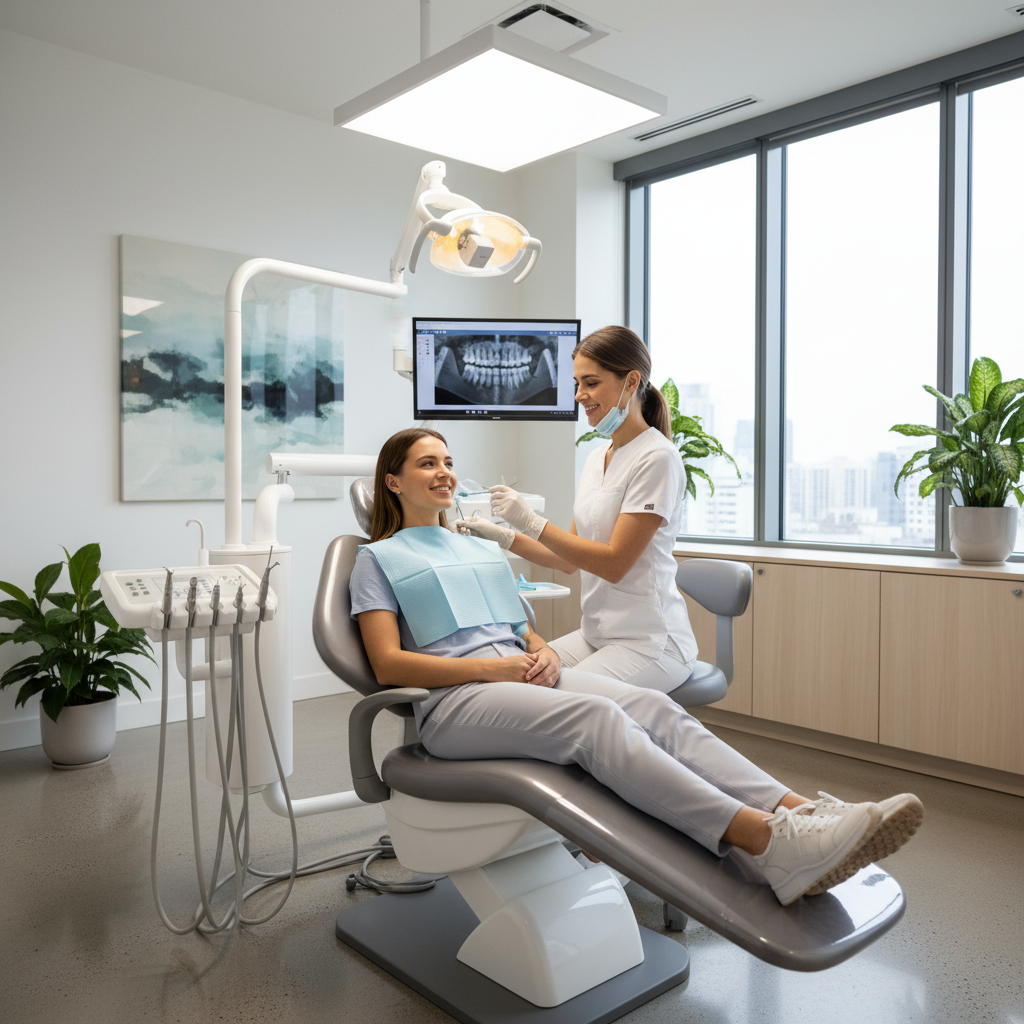 dental implant cost South Africa servicesdental implant cost South Africa services overview
Deciding to invest in dental implants marks a pivotal moment in improving your dental aesthetics and overall health. However, the cost associated with dental implants can be a deciding factor. Understanding the factors that influence these costs is vital, especially if you live in South Africa.
It's normal for patients to have concerns regarding overall expenses and their financial expectations. In this article, we will outline a complete guide, addressing common concerns and summarizing important information on dental implant costs at. dental implant cost.
Understanding Dental Implant Costs
Understanding the various expenses involved in the dental implant procedure reveals a complex pricing structure influenced by several elements. Factors such as the implant type selected, the intricacies of the surgical process, the regional cost of services, and the dental clinic's unique pricing can significantly affect the total bill. In South Africa, you can generally expect to pay between R20,000 and R30,000 for a dental implant. This amount typically covers the surgical procedure, the abutment, and the crown that will be installed. Patients should also be aware of potential extra charges for diagnostic imaging like X-rays or 3D scans, which are crucial for outlining precise implant placement prior to surgery.
Difference Between Dental Implants and Alternatives
A frequent query is how the cost of dental implants contrasts with other tooth-replacement solutions, including bridges and dentures. While these options may seem less costly initially, they often come with higher long-term expenses due to the necessity for regular adjustments and replacements. In South Africa, the full cost of dentures can range from R5,000 to R10,000, and bridges might generally be priced around R15,000 to R25,000. A more detailed examination indicates that while dental implants may demand more upfront money, they often provide better value in the long run owing to their durability and functionality. Conventional replacements can accrue additional costs associated with continual wear, ultimately leading to a greater financial commitment to maintain oral health.
Factors Influencing Dental Implant Prices
When determining the dental implants price, several elements come into play. The materials used in the dental implants significantly affect the price. High-quality implants made from titanium or zirconium can cost more but tend to provide superior durability and success rates. The complexity of the case can also drive costs; for example, extractions or grafting may be necessary beforehand, which adds additional fees. A patient requires a thorough assessment to determine the best course of action, which includes a discussion of the different techniques and strategies tailored to individual needs.
Location-Specific Considerations
Cape Town and other major cities in South Africa may exhibit higher dental implant costs compared to rural areas. This difference arises from the overall living expenses in urban environments, leading to higher overhead costs for dental clinics. Patients seeking dental implants in Cape Town can expect expenditures in the range outlined earlier (R20,000 to R30,000), with reputable clinics potentially offering quality assurances that justify the costs. Additionally, it's crucial to consider the dentist's experience and the clinic's reputation. A well-established practice may charge more, but the investment often translates into more successful outcomes and greater patient satisfaction.
For more information about the details related to dental implants in South Africa, refer to the dental implant article on Wikipedia.
Steps to Evaluate Dental Implant Costs
- Research Local Providers: Start by researching dental implant services in your area. Look for qualified dentists or specialists, and read reviews to gauge their reputation.
- Schedule a Consultation: A preliminary consultation often reveals the specific costs for your situation. Your dentist will assess your dental health, recommend treatment options, and provide an estimate of the costs involved.
- Understand the Breakdown of Costs: Ask for a detailed breakdown of what your quoted price includes. This should cover the implant, abutment, crown, and any additional procedures required.
- Inquire About Financing Plans: Many clinics offer financing options that can help manage costs. It's advisable to discuss potential financing, as this can alleviate the immediate financial burden.
- Factor in Long-Term Costs: Consider the lifespan of dental implants versus alternatives. While implants may require a larger upfront cost, they generally last much longer and require fewer future expenses.
- Review Insurance Coverage: If you have dental insurance, review your policy to understand which components of dental implant surgery are covered. This can significantly reduce your out-of-pocket expenses.
Tips for Reducing Dental Implant Costs
Explore options like dental tourism in South Africa, where treatment can be more affordable. Many patients travel to more cost-effective regions for dental procedures without compromising quality.
- Compare Multiple Quotes: Don't settle for the first quote. Consulting various practices can give a clearer picture of the average price.
- Ask About Package Deals: Some dental practices offer package deals that bundle services together, potentially saving money.
- Utilize Dental Schools: Local dental schools frequently provide services at lowered rates under the supervision of experienced instructors.
- Consider Timing: If your dental health allows, plan treatments during promotional periods when discounts may be offered.
- Prioritize Oral Health: Maintaining good oral hygiene may reduce the necessity for more extensive treatments in the future, indirectly influencing overall costs.
Frequently asked questions
Which factors determine the price of dental implants?
The price associated with dental implants can be affected by various factors, including the implant type chosen, the complexity and length of the surgery, the location of the dental practice, and any additional necessary procedures like bone grafting.
Do dental implants justify their cost?
Dental implants may justify their higher upfront costs due to their strength and function, offering a more durable solution compared to traditional dentures or bridges.
What financing options are available for dental implants?
Look into financing plans offered by your dental provider or third-party financial companies that concentrate on healthcare financing to help manage the cost of dental implants.
What is the typical lifespan of dental implants?
With diligent care and proper maintenance, dental implants can remain functional and aesthetic for a duration between 10 and 15 years, or potentially longer.
Are there lower-cost alternatives to dental implants?
While alternatives such as dentures and bridges may initially appear more affordable, they often require more frequent adjustments and replacements over time.
Will my insurance cover dental implants?
A number of dental insurance plans do provide some level of coverage for dental implant costs, contingent upon the specifics laid out in your insurance policy.
When assessing the cost of dental implants, it is crucial to pay attention to results, clear communication, and whether the approach aligns with your financial plans and timeline. Be wary of ambiguous promises without measurable outcomes.
Be sure to ask about how progress is assessed, what services are included or considered optional, and how healthcare providers modify their strategies if rankings or user engagement plateau. A thoroughly documented agreement before any transactions can safeguard the interests of both sides.
Grasping the different components related to the costs associated with dental implants is crucial for making well-informed choices regarding your dental care. By engaging in diligent research and strategic planning, you can effectively manage the financial considerations surrounding dental implants.
This guide aims to clarify the dental implant cost structure in South Africa, empowering you to take decisive actions toward enhancing your oral health.
As you analyze dental implant expenses, prioritize tangible results, transparent reporting, and alignment of the approach with your budget and timeline. Be cautious of ambiguous promises that lack a clear measurement strategy.
Inquire about how progress is monitored, what services are mandatory versus optional, and how the provider adapts strategies if rankings or traffic stagnate. Establishing a written agreement prior to payment ensures protection for both parties.